
A damaged bumper can affect more than the appearance of your vehicle. Modern front and rear bumpers may contain impact-absorbing materials, reinforcement bars, mounting brackets, parking sensors, cameras, radar equipment, lights, and other components that support the vehicle’s safety and operation.
After a parking-lot scrape, rear-end collision, or low-speed accident, many drivers are unsure whether the bumper can be repaired or needs to be replaced. The correct option depends on the type of damage, its location, the bumper material, the condition of the internal components, and whether the bumper can be restored without compromising its fit or function.
At OC Auto Body Shop in Fullerton, technicians inspect the complete bumper assembly before recommending repair or replacement. The goal is to restore the vehicle’s appearance while identifying hidden damage that may not be visible from the outside.
The Difference Between a Bumper Cover and a Complete Bumper Assembly
When most people refer to a vehicle’s bumper, they are usually describing the painted exterior bumper cover. This plastic panel gives the front or rear of the vehicle its finished appearance, but it is only one part of the complete bumper system.
Behind the bumper cover, a vehicle may have an energy absorber, reinforcement bar, brackets, retainers, wiring, sensors, cameras, lights, and other components. These parts help secure the bumper and may assist with absorbing or distributing force during a collision.
A bumper cover can appear only slightly scratched or dented while the brackets, reinforcement bar, or energy-absorbing materials behind it are damaged. For this reason, a visual inspection from several feet away is not enough to determine whether the vehicle needs only cosmetic repair.
Bumper Damage That May Be Repairable
Minor bumper damage can often be repaired when the bumper cover remains structurally sound and can be restored to its proper shape. Repair may be appropriate for shallow dents, surface scratches, paint transfer, scuff marks, minor gouges, and limited cracks in repairable areas.
A technician may clean and prepare the damaged area, reshape the bumper material, repair surface imperfections, apply refinishing materials, and repaint the affected section. The exact repair method depends on the bumper material and the severity of the damage.
Repairing the original bumper can preserve the existing component and may reduce the time required to order replacement parts. However, repair should only be recommended when the bumper can be securely installed, correctly aligned, and properly refinished.
Drivers with scratches, scuffs, and minor body damage can also learn about dent and scratch repair in Fullerton.
Surface Scratches and Paint Transfer
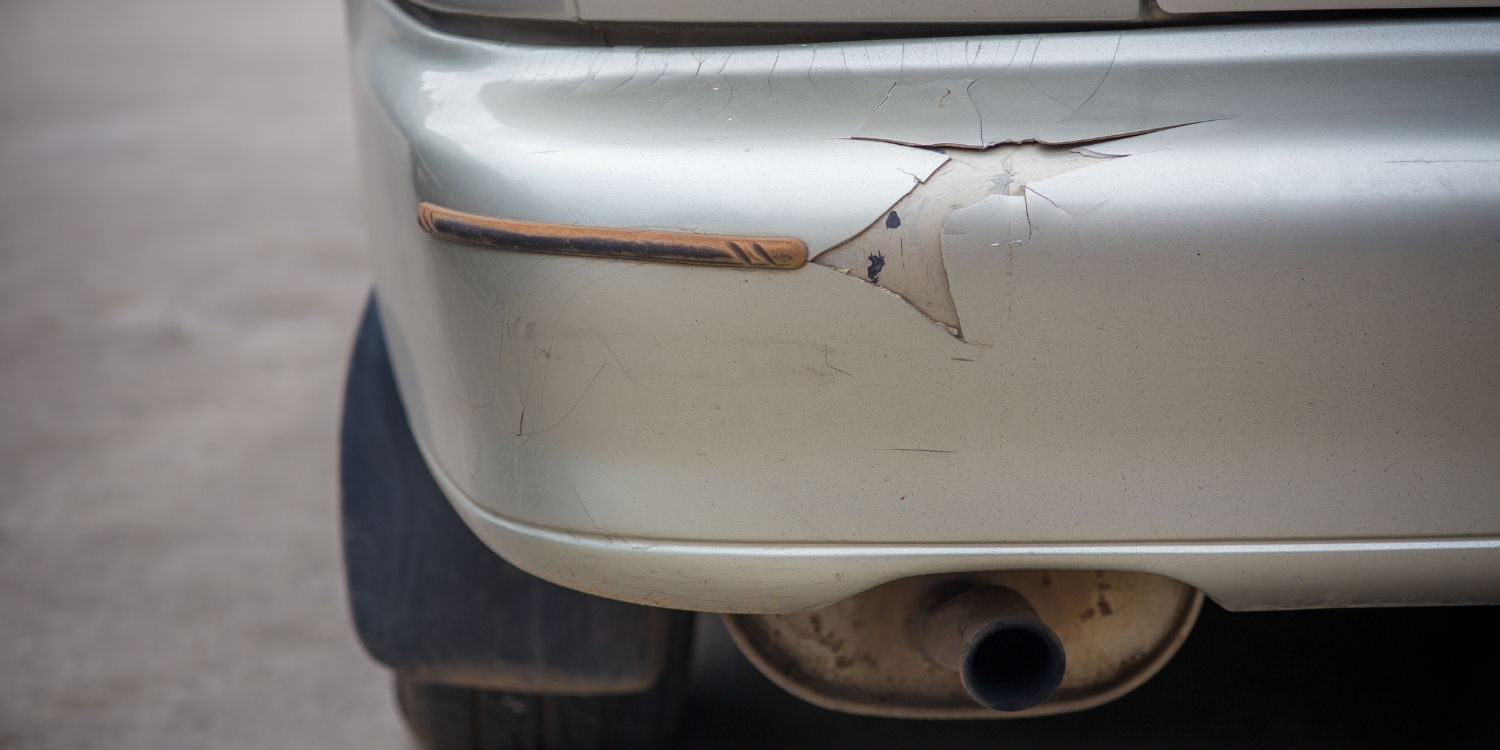
Some bumper marks are caused by paint, rubber, or another material transferring onto the bumper during light contact. The bumper may appear badly scratched even though the damage has not penetrated deeply into the finish.
A professional inspection can determine whether the mark can be removed through cleaning, polishing, or refinishing. Deeper scratches that penetrate the paint may require sanding, filling, priming, color application, and clear coating.
Prompt repair can prevent a small cosmetic issue from becoming more noticeable and may help preserve the vehicle’s appearance and resale value.
Small Dents and Deformed Bumper Covers
Plastic bumper covers can sometimes be pushed inward without cracking. Depending on the material, location, and severity of the damage, a technician may be able to reshape the affected area and restore the bumper’s original contour.
The bumper must still be inspected for damaged paint, weakened mounting points, stretched material, and hidden internal problems. A dent near an edge, body line, sensor opening, or attachment point may be more difficult to repair successfully.
If the bumper material has been severely stretched or no longer holds its proper shape, replacement may provide a more dependable and visually consistent result.
Minor Cracks and Punctures
Some limited cracks can be repaired using specialized plastic-repair techniques. The damaged area may be reinforced, reshaped, refinished, and repainted to match the surrounding bumper.
The location and length of the crack are important. Damage near mounting tabs, sensor openings, grille areas, or heavily stressed sections may make the bumper unsuitable for repair.
Punctures, missing material, multiple cracks, and previous repairs can also reduce the likelihood of achieving a strong and lasting result. The technician should evaluate whether repairing the bumper is practical compared with installing a replacement.
Bumper Damage That Often Requires Replacement
Bumper replacement is generally recommended when the existing part is too severely damaged to restore safely or accurately. Replacement may be necessary when the bumper has extensive cracking, torn sections, broken mounting points, severe distortion, missing material, or damage affecting several areas.
A bumper that repeatedly separates from the vehicle, hangs unevenly, or cannot be secured correctly may also need to be replaced. Broken retainers and mounting tabs can prevent the bumper from maintaining the correct alignment with the fenders, headlights, trunk, liftgate, or surrounding panels.
Replacement may also be the more practical option when the labor and materials required to repair extensive damage approach the cost of installing a new or suitable replacement bumper cover.
Broken Mounting Tabs and Brackets
The bumper cover attaches to the vehicle through tabs, retainers, clips, bolts, and brackets. These attachment points can break during even a relatively low-speed collision.
A bumper with damaged mounting points may appear loose, develop uneven panel gaps, or separate near the wheel opening. Tape, temporary clips, and improvised fasteners do not restore the original attachment system.
Some mounting damage can be repaired, but extensive breakage may require replacement of the bumper cover or related brackets. Proper attachment is necessary to maintain correct alignment and prevent the bumper from vibrating or separating while the vehicle is being driven.
Damage Around Parking Sensors and Cameras
Many newer vehicles have parking sensors, cameras, radar units, blind-spot components, and other driver-assistance equipment installed in or behind the bumper. A collision can damage the device, bracket, wiring, connector, or alignment even when the bumper cover appears relatively intact.
Warning messages, inaccurate parking alerts, unavailable driver-assistance features, or unexplained dashboard lights may indicate that more than the bumper cover was affected.
Repairs involving these systems require careful disassembly, inspection, reinstallation, and testing. Depending on the vehicle and the affected equipment, calibration may also be necessary after the bumper is repaired or replaced.
Hidden Damage Behind the Bumper
A bumper cover can flex during a collision and return close to its original shape, concealing damage behind it. The energy absorber may be crushed, the reinforcement bar may be bent, or the mounting structure may have shifted.
Hidden damage can also affect the trunk floor, rear body panel, radiator support, cooling components, exhaust system, suspension, or vehicle frame. The location and force of the impact determine which parts may be affected.
When there is evidence of a collision, the bumper may need to be removed so the underlying structure can be inspected. This disassembly process can reveal damage that was not visible during the initial exterior estimate.
Vehicles with more extensive accident damage may require professional collision repair or frame repair in addition to bumper work.
Front Bumper Damage
The front bumper is positioned near the headlights, grille, cooling system, radiator support, hood, fenders, and engine-compartment components. Front bumper damage may also affect fog lights, air-intake openings, cameras, parking sensors, and radar equipment.
A front impact can cause the bumper cover to crack or shift while also damaging components located behind it. Fluid leaks, overheating, unusual noises, warning lights, or a hood that no longer closes correctly may indicate that the damage extends beyond the bumper.
The vehicle should not be driven if the bumper is dragging, obstructing a tire, interfering with steering, or accompanied by signs of mechanical or structural damage.
Rear Bumper Damage
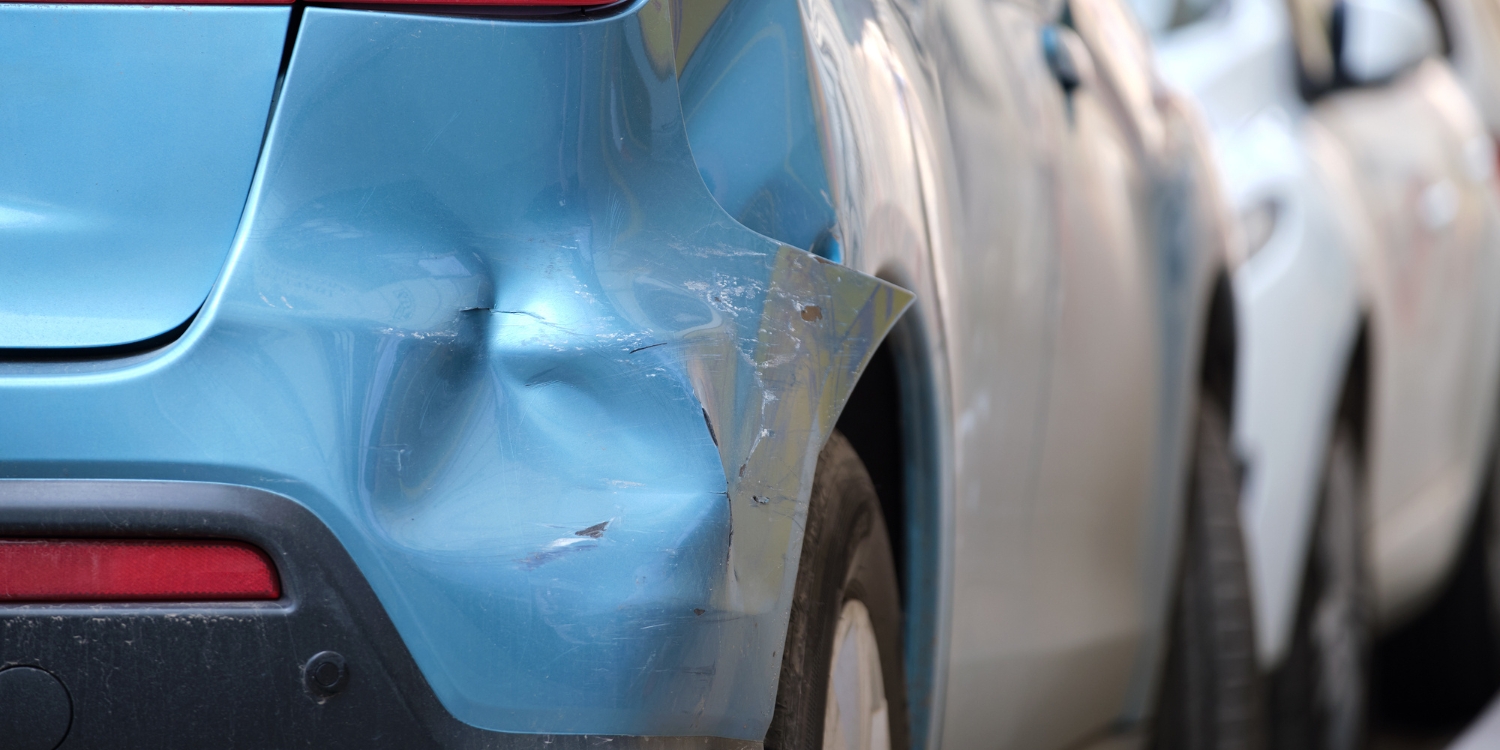
Rear bumpers are commonly damaged in parking accidents and rear-end collisions. Damage may involve the bumper cover, reinforcement bar, energy absorber, trunk floor, rear body panel, exhaust system, parking sensors, backup camera, taillights, or liftgate components.
A minor-looking rear impact can sometimes affect the alignment of the trunk or liftgate. Water leaks, difficulty closing the trunk, uneven panel gaps, or a bumper that sits lower on one side should be professionally evaluated.
Rear bumper damage may also be connected to an insurance claim when another driver caused the collision. OC Auto Body Shop works with major insurance companies and can help document visible and hidden damage discovered during the repair process.
Cosmetic Damage and Structural Damage
Cosmetic damage generally affects the bumper’s appearance without compromising the components behind it. Examples may include light scratches, scuff marks, paint transfer, and small surface imperfections.
Structural or functional damage affects the bumper’s attachment points, internal reinforcement, impact-absorbing components, sensors, or nearby vehicle structure. This type of damage may require replacement parts and more extensive repair procedures.
Cosmetic and structural damage can occur together. A bumper may have a visible scratch while also concealing a broken bracket or damaged energy absorber. A professional inspection is the most reliable way to determine the full extent of the damage.
How the Repair or Replacement Decision Is Made
The decision begins with an inspection of the bumper cover and surrounding panels. The technician evaluates the bumper material, cracks, dents, paint condition, mounting points, panel gaps, and signs of previous repairs.
The shop may also inspect the components behind the bumper and scan the vehicle for electronic faults when sensors or driver-assistance systems may have been affected.
The final recommendation considers whether the bumper can be restored to the correct shape, whether it can be securely reattached, whether the repair can produce an acceptable finish, and whether replacement would provide a better result.
The vehicle owner should receive a clear explanation of the recommended repair and any additional damage discovered after disassembly.
Why an Estimate May Change After Disassembly
An initial estimate is often based on visible damage. Once the bumper cover is removed, the shop may discover broken retainers, a damaged reinforcement bar, crushed energy-absorbing material, wiring problems, or additional body damage.
When an insurance company is involved, the shop may prepare a supplement documenting the additional parts and labor required. This does not necessarily mean the original estimate was inaccurate. Some collision damage cannot be confirmed until the affected area has been disassembled.
Clear photographs, measurements, repair documentation, and communication with the insurance adjuster can help support the supplemental repair process.
How an Existing Bumper Is Repaired
When repair is appropriate, the damaged bumper is cleaned and prepared. The technician may remove damaged paint and material, reshape the bumper, repair cracks or gouges, and restore the original contour.
The repaired area is then prepared for refinishing. Primer, base color, and clear coat may be applied to create a smooth and durable finish.
After the refinishing process is complete, the bumper is reinstalled and checked for proper alignment with the surrounding panels. Sensors, lights, cameras, and other equipment are reconnected and tested as required.
How a Bumper Is Replaced
Bumper replacement begins with removing the damaged bumper cover and inspecting the components behind it. Any damaged brackets, retainers, energy absorbers, reinforcement parts, wiring, or related components are repaired or replaced.
The replacement bumper cover may require preparation and painting before installation. The shop uses the vehicle’s paint information and professional color-matching procedures to create a finish that blends with the surrounding panels.
After installation, the technician checks the panel gaps, attachment points, lights, sensors, and overall appearance. Additional calibration or system testing may be required for certain vehicles.
Learn more about the shop’s automotive painting services and color-matching process.
OEM and Aftermarket Bumper Covers
Replacement bumper covers may be available as original equipment manufacturer parts, aftermarket parts, recycled parts, or reconditioned components. Availability varies based on the vehicle’s age, make, model, and insurance coverage.
Each option may differ in price, availability, fit, finish, and warranty. The repair estimate should identify the type of replacement part being considered.
Vehicle owners should ask which part is being used and whether alternatives are available. The appropriate choice depends on the vehicle, repair requirements, parts availability, insurance policy, and owner preference.
Will the New Paint Match the Vehicle
A professionally refinished bumper should be carefully matched to the surrounding vehicle color. Automotive paint can vary even when two vehicles have the same factory paint code.
Age, sunlight exposure, previous repairs, manufacturing variations, and the way metallic or pearl paint reflects light can affect the visible color. Professional paint matching may involve identifying the correct color variant, preparing a test sample, adjusting the formula, and evaluating the color under different lighting conditions.
In some situations, blending the color into an adjacent panel may be recommended to create a more seamless transition.
Can Paintless Dent Repair Fix a Bumper
Paintless dent repair is primarily used for certain metal body panels when the paint remains intact. Because most modern bumper covers are made from flexible plastic, traditional paintless dent repair techniques may not be appropriate.
A plastic bumper may still be reshaped without complete replacement in some cases, but the procedure differs from conventional paintless dent repair. The technician must evaluate the bumper material, paint condition, access, and extent of the deformation.
Insurance Coverage for Bumper Damage
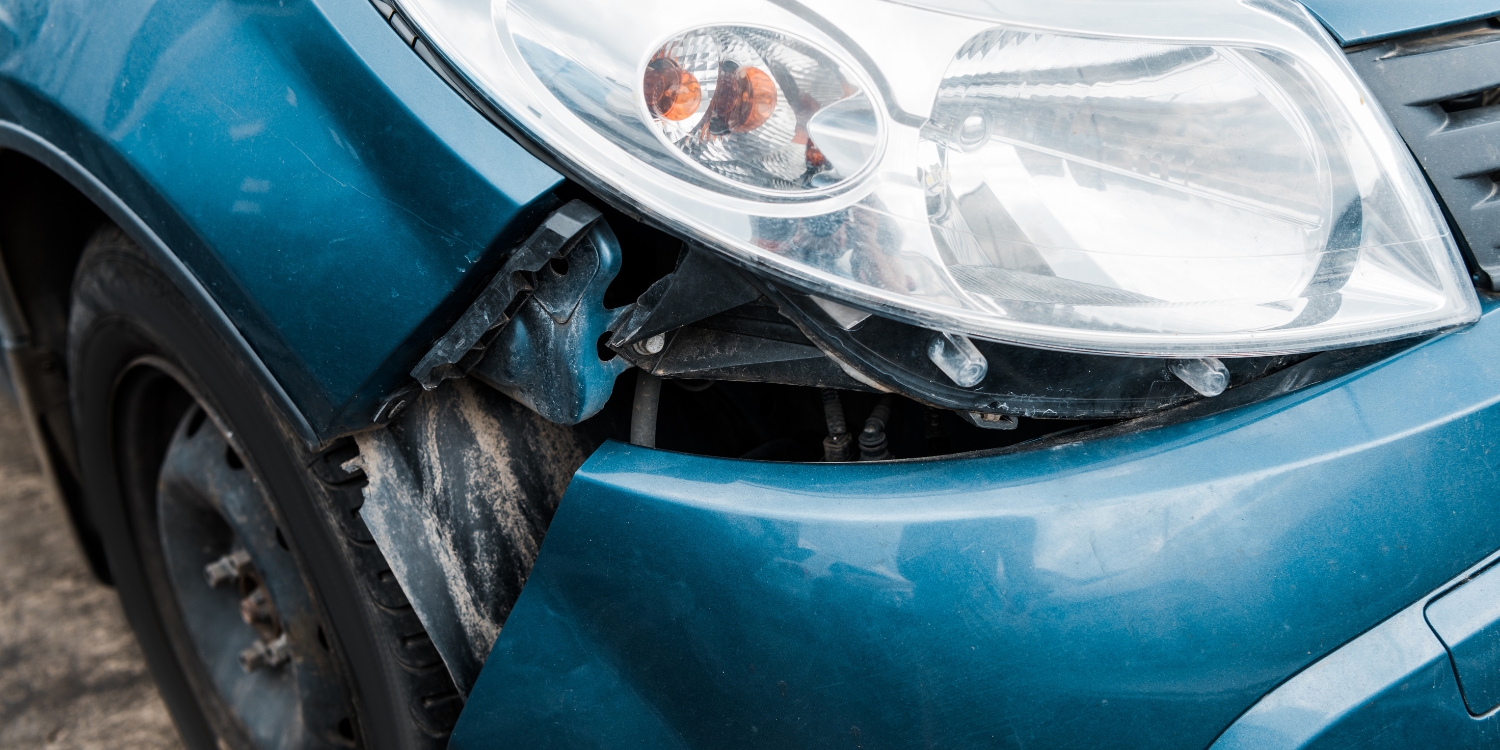
Insurance coverage depends on the policy, cause of the damage, deductible, liability decision, and other claim details. Collision coverage may apply when the insured vehicle strikes another vehicle or object, while another driver’s liability coverage may apply when that driver caused the accident.
Minor damage may cost less than the policyholder’s deductible, making direct payment more practical. More extensive damage involving sensors, hidden components, or multiple panels may justify opening an insurance claim.
OC Auto Body Shop works with major insurance companies and can provide estimates, photographs, supplements, and repair documentation. The insurance company determines coverage, while the repair shop documents the work required to restore the vehicle.
How Long Bumper Repair May Take
The repair timeline depends on the extent of the damage, parts availability, paint requirements, insurance authorization, hidden damage, sensor calibration, and the shop’s current workload.
A straightforward cosmetic repair may require less time than a bumper replacement involving backordered parts, additional collision damage, or advanced electronic equipment.
A more accurate completion estimate can usually be provided after the vehicle has been inspected and the required parts have been confirmed. Additional damage discovered during disassembly may affect the original timeline.
Why DIY Bumper Repairs Can Cause Problems
Online repair videos may make bumper restoration appear simple, but heating, reshaping, filling, sanding, priming, and painting require the correct materials and techniques.
Excessive heat can distort the plastic or damage the paint. Improper fillers may crack, and spray-can paint may not match the factory finish. A cosmetic repair can also conceal broken brackets or internal collision damage.
Temporary measures may prevent a loose bumper from dragging while the vehicle is being transported, but they should not replace a professional inspection and permanent repair.
Do Not Ignore a Loose Bumper
A loose bumper may vibrate, separate further, interfere with a tire, or detach while the vehicle is moving. Wind pressure and normal road vibration can worsen damaged mounting points.
Do not drive the vehicle if the bumper is dragging, contacting a tire, blocking a light, obstructing airflow, or hanging in a way that creates a road hazard. Arrange professional assistance or towing when the vehicle cannot be driven safely.
Bumper Repair and Replacement in Fullerton
Whether a bumper should be repaired or replaced depends on more than the size of the visible dent or scratch. The complete assembly must be evaluated for cracks, distortion, broken mounting points, hidden damage, sensor problems, and alignment issues.
OC Auto Body Shop provides bumper repair and replacement in Fullerton for drivers throughout Orange County. The shop also offers collision repair, dent and scratch repair, frame repair, auto painting, glass replacement, wheel repair, paintless dent repair, and custom auto body services.
OC Auto Body Shop works with major insurance companies and offers a lifetime warranty on qualifying repairs. Free towing, a rental vehicle, and a complimentary detail may also be available with qualifying insurance claims.
Call (714) 714-4040 to request an estimate or visit OC Auto Body Shop at 500 S. Raymond Ave., Unit G, Fullerton, CA 92831.
You can also contact OC Auto Body Shop online to ask questions about bumper damage, collision repairs, insurance claims, or appointment availability.
FAQs
1. Can a cracked plastic bumper be repaired?
Some limited cracks can be repaired when the surrounding material and mounting points remain in suitable condition. Long cracks, missing material, extensive damage, and cracks near attachment points may require bumper replacement.
2. Should a bumper be replaced after every accident?
No. Minor cosmetic damage may be repairable. Replacement is more likely when the bumper is severely cracked, distorted, punctured, loose, or unable to attach correctly to the vehicle.
3. Can a bumper look undamaged after a collision?
Yes. A flexible bumper cover can return close to its original shape while brackets, energy absorbers, reinforcement components, sensors, or nearby vehicle structures remain damaged.
4. Is it safe to drive with a damaged bumper?
It depends on the extent of the damage. The vehicle should not be driven when the bumper is loose, dragging, contacting a tire, blocking a light, affecting steering, or accompanied by fluid leaks, warning lights, or other signs of serious damage.
5. Can parking sensors be damaged in a minor collision?
Yes. An impact can damage a sensor, bracket, connector, wiring harness, or calibration even when the bumper cover has only minor visible damage.
6. Will a replacement bumper match the vehicle’s paint?
A professional auto body shop can prepare and refinish the replacement bumper using the vehicle’s paint information and color-matching procedures. Some colors may require additional adjustment or blending.
7. Can insurance pay for bumper repair or replacement?
Coverage depends on the policy, deductible, cause of the damage, and liability decision. The repair shop can provide documentation, but the insurance company determines whether the claim is covered.
8. Why did the bumper repair estimate increase after removal?
Removing the bumper can reveal broken brackets, reinforcement damage, crushed energy absorbers, wiring problems, or additional body damage that was not visible during the initial inspection.
9. How long does bumper repair or replacement take?
The timeline depends on the extent of the damage, parts availability, painting requirements, insurance authorization, hidden damage, and whether sensors or driver-assistance systems require additional procedures.
10. Where can I get bumper repair in Fullerton?
OC Auto Body Shop provides bumper repair and replacement at 500 S. Raymond Ave., Unit G, Fullerton, CA 92831. Call (714) 714-4040 to request an estimate.
Disclaimer: This article is provided for general informational purposes and does not replace an in-person vehicle inspection or written repair estimate.