
Door dings, shallow dents, minor creases, and certain hail-related dents can sometimes be repaired without sanding, body filler, primer, or repainting. Paintless dent repair preserves the existing finish by carefully reshaping the damaged panel. OC Auto Body Shop provides professional paintless dent repair in Orange County from our Fullerton location.
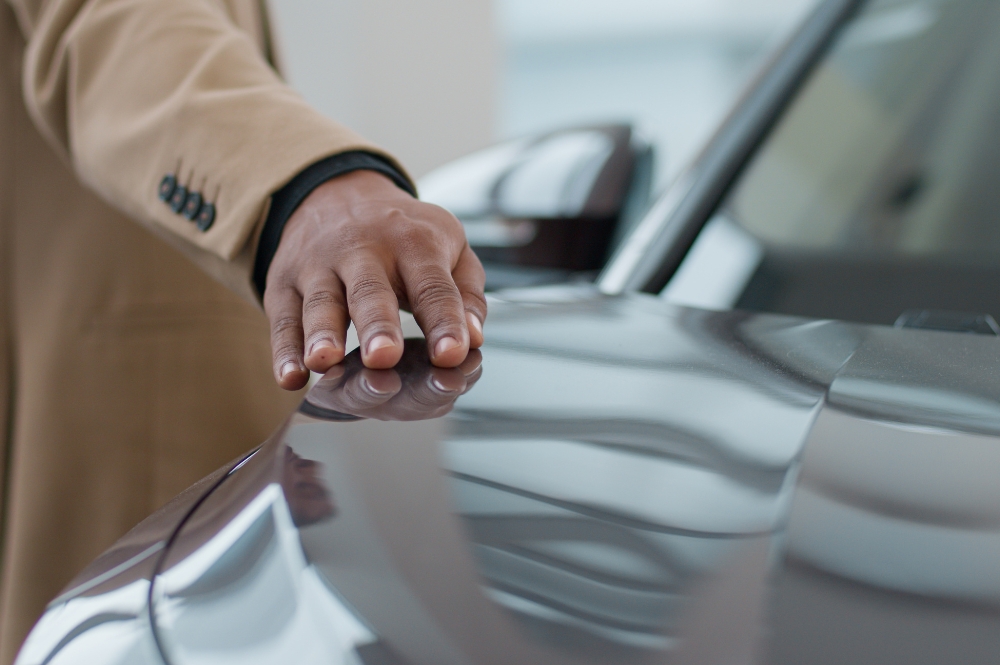
Not every dent qualifies for paintless dent repair, commonly called PDR. The condition of the paint, depth and shape of the dent, panel material, access behind the damage, and amount of metal stretching all affect whether PDR is appropriate. Our team inspects the vehicle before recommending paintless repair or a traditional bodywork and refinishing method.
What Is Paintless Dent Repair?
Paintless dent repair is a specialized technique used to reshape qualifying dents while preserving the vehicle’s existing paint. Instead of sanding and repainting the damaged area, a technician gradually manipulates the panel back toward its proper contour.
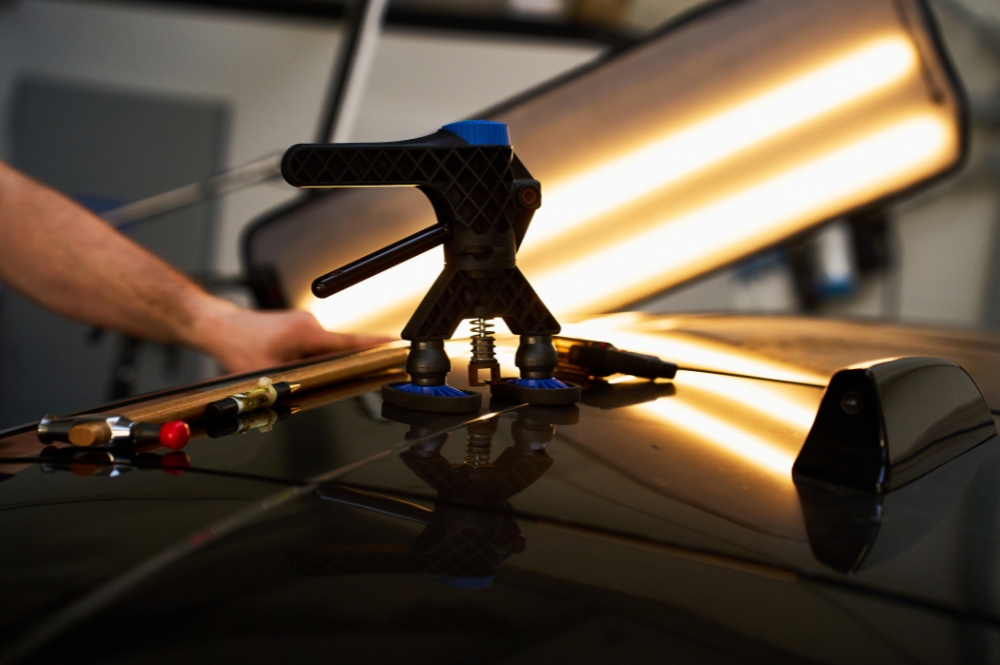
The process may involve carefully applying controlled pressure from behind the panel or using an exterior pulling method when backside access is limited. Specialized lighting or reflection boards help the technician see small changes in the panel surface throughout the repair.
PDR may be appropriate for:
- Door dings
- Shopping-cart dents
- Shallow parking-lot dents
- Certain minor creases
- Some hail-related damage
- Dents from falling objects
- Limited body-panel depressions
- Certain low-speed impact dents
- Minor dents with intact paint
The dent’s diameter alone does not determine eligibility. A broad, shallow dent may be more suitable for PDR than a smaller but sharply creased impact.
How Does Paintless Dent Repair Work?
Paintless dent repair requires patience and controlled movement. Automotive panels can respond differently based on their material, thickness, shape, body lines, reinforcements, and the way they were damaged.
The technician first studies how light reflects across the dent. The distorted reflection helps reveal low areas, high points, crowns, and tension around the impact.
When access is available, specialized tools are positioned behind the panel. Small amounts of pressure are applied in a planned sequence to reduce the dent gradually. High points may also need to be carefully lowered so the panel can return to a more consistent contour.
If the back of the panel cannot be reached, an exterior pulling technique may be considered. The method must be selected carefully, particularly when the panel has previous paintwork or an uncertain finish.
What Makes a Dent Suitable for PDR?
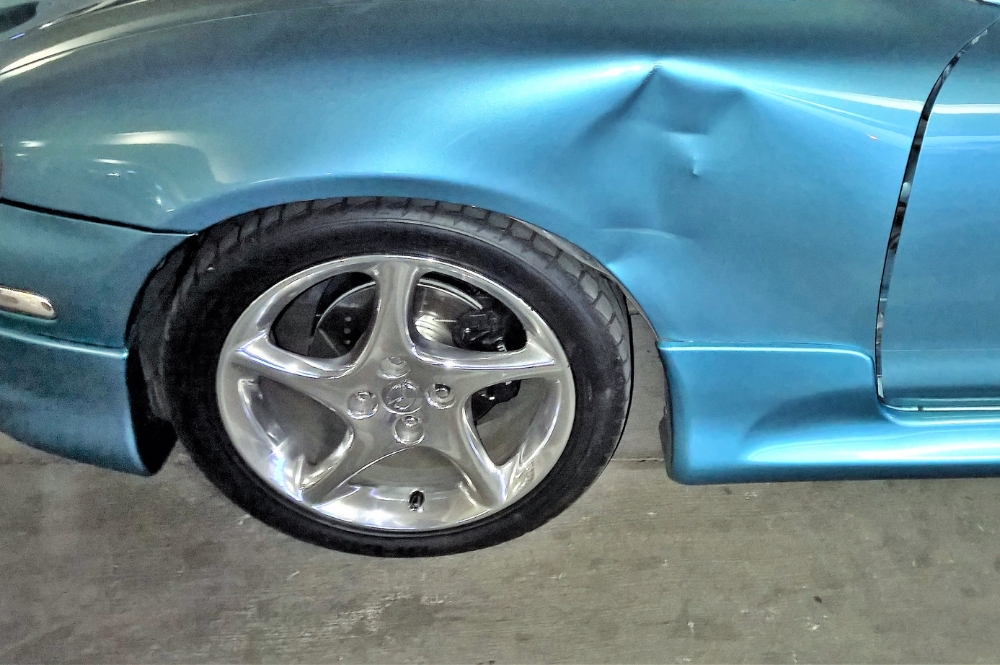
A dent is more likely to qualify for paintless repair when the paint remains intact, the panel has not been severely stretched, and the damaged area is accessible.
Important factors include:
- Intact paint and clear coat
- Dent depth
- Width of the damaged area
- Sharpness of the impact
- Location near an edge or body line
- Panel material
- Access behind the dent
- Internal braces or reinforcements
- Previous body filler or repainting
- Amount of metal stretching
Every dent behaves differently. Two dents that appear similar from outside may require different repair methods because of their location or the structure behind the panel.
Which Dents Cannot Be Repaired With PDR?
Paintless dent repair is not appropriate when the panel or finish requires additional restoration. Traditional bodywork may be needed when:
- The paint is cracked, chipped, or peeling
- The metal is torn or punctured
- The dent is extremely sharp or deep
- The panel has been severely stretched
- The damage is on an inaccessible reinforced area
- A body line has been heavily crushed
- Previous filler or paint has been compromised
- The panel edge is folded
- Structural damage is present
- The panel requires replacement
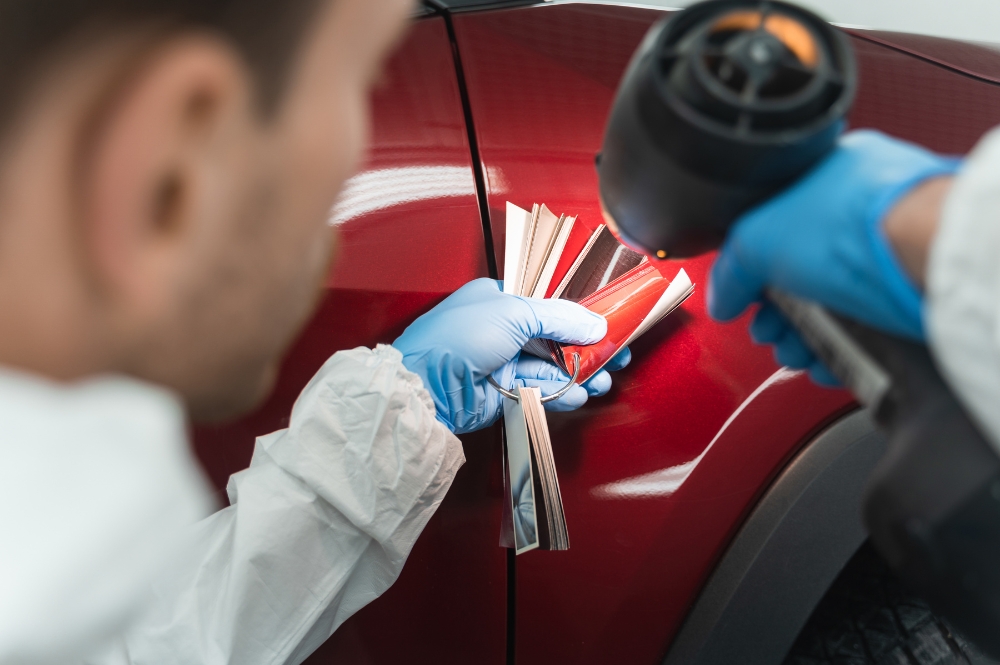
A dent that does not qualify for PDR may still be repairable through conventional dent and scratch repair. This can involve metalwork, plastic repair, filler, sanding, primer, color matching, and refinishing.
What Is the Difference Between PDR and Traditional Dent Repair?
Paintless dent repair reshapes the existing panel without applying new paint. Traditional dent repair may include reshaping, filling, sanding, priming, and repainting.
PDR is generally considered when the original paint remains intact, and the panel can be manipulated without creating additional damage. Traditional repair is used when paint is broken, metal is severely stretched, or the surface cannot be restored through paintless methods.
The two methods serve different types of damage. PDR is not automatically better for every dent, and traditional repair is not automatically necessary for every impact. The correct option depends on the condition of the specific panel.
Does PDR Preserve the Original Paint?
Yes, one of the primary benefits of paintless dent repair is that it can preserve the existing finish when the paint remains flexible and undamaged.
Because the panel is not sanded or repainted, there is no need to introduce new color or clear coat into the repaired area. This avoids paint blending for the dent itself and eliminates paint-related curing time.
However, PDR cannot repair cracked, chipped, or missing paint. If the dent includes finish damage, the area may need conventional repair and professional auto body painting.
Door Ding Repair in Fullerton
Door dings are among the most common candidates for paintless dent repair. They often occur when anothervehicle’ss door, a shopping cart, or an object contacts the side of a parked car.
A shallow door ding with intact paint may be accessible through an interior opening or after selected trim is removed. The repair becomes more complex when the dent is near a panel edge, handle, reinforcement beam, sharp body line, or previously repaired area.
Several small dings on the same door can sometimes be addressed during one appointment, but each damaged area must be evaluated individually.
Can PDR Repair Creased Dents?
Some creased dents can be repaired through PDR, but they are generally more challenging than broad, shallow dents. A crease concentrates force along a narrow line and may stretch the metal or damage the paint.
Repairability depends on:
- Length and depth of the crease
- Sharpness of the fold
- Paint condition
- Panel material
- Location near an edge
- Accessibility behind the damage
- Whether a body line is affected
A light crease across an accessible area may respond to careful paintless repair. A sharp crease with cracked paint or stretched metal will usually require traditional bodywork.
Paintless Dent Repair for Hail Damage
PDR is frequently used for qualifying hail dents because hail may create multiple shallow depressions without breaking the paint. The hood, roof, trunk, fenders, and upper door areas are common locations.
Hail repair requires a complete inspection because the number of dents may be difficult to see under ordinary lighting. Trim, headliners, or other components may need to be removed to provide access behind certain panels.
Not every hail-damaged panel can be repaired through PDR. Severe impacts, cracked paint, stretched metal, or densely concentrated dents may require conventional repair or panel replacement.
Can PDR Repair Aluminum Panels?
Some aluminum panels can be repaired using paintless techniques, but aluminum behaves differently from steel. It may require different tools, access, temperature control, and repair strategies.
The panel material should be identified before work begins. Dent location, stretching, paint condition, and manufacturer repair limitations must also be considered.
An aluminum dent should not be assumed repairable simply because a similar dent on a steel panel qualifies for PDR.
Can Paintless Dent Repair Fix Bumper Dents?
Paintless dent repair generally refers to reshaping metal exterior panels. Many bumper covers are made from plastic and require a different repair process.
Some plastic bumper dents may be reshaped when the material is not torn, cracked, or permanently stretched. However, this is usually classified as bumper or plastic repair rather than traditional PDR.
If a bumper has cracks, deep gouges, broken mounting tabs, damaged sensors, or concealed impact damage, it should receive a complete bumper repair or replacement evaluation.
Can PDR Repair a Dent With a Scratch?
PDR may correct the dented shape, but it will not replace missing paint or remove a deep scratch. Whether PDR remains useful depends on the condition of the paint and the customer’s goals.
For example, a panel may have a qualifying dent and a light surface mark that can be polished separately. A deep scratch that exposes primer or metal may require refinishing after the dent is corrected.
OC Auto Body Shop can evaluate both forms of damage and recommend whether PDR, scratch repair, painting, or a combination of services is appropriate.
Our Paintless Dent Repair Process
Dent Inspection
We begin by inspecting the dent under lighting that makes changes in the panel surface easier to see. The technician evaluates its size, depth, shape, surrounding tension, paint condition, and proximity to body lines or edges.
The panel is also examined for previous paintwork, filler, cracking, chips, or other conditions that may affect the repair.
Panel and Material Evaluation
The panel material and construction are identified. We consider whether the damaged area is made from steel, aluminum, or another material and whether internal braces restrict access.
This step helps determine the appropriate tools and repair strategy.
Access Planning
The technician identifies a practical way to reach the back of the dent. Access may be available through an existing opening, or selected trim, lights, liners, or interior panels may need to be removed.
Unnecessary drilling should not be treated as the default approach. Existing access and safe disassembly options are considered first.
Controlled Dent Manipulation
Specialized tools are positioned behind the dent when access allows. The technician makes small, controlled movements while observing the reflection across the panel.
Pressure is applied gradually. Attempting to move the entire dent at once can create high spots, tool marks, or additional stress.
Exterior Pulling When Appropriate
When backside access is restricted, an exterior pulling method may be considered. The panel’s paint condition and repair history must be evaluated because pulling on weak, damaged, or previously refinished paint may create additional problems.
Exterior pulling is only one possible PDR method and is not appropriate for every vehicle or dent.
Surface Refinement
As the low area is reduced, the technician also addresses surrounding high spots and tension. This refinement helps the panel reflect light more consistently.
The process continues until the practical repair result has been achieved based on the dent and panel condition.
Reassembly and Final Inspection
Removed trim and components are reinstalled. The panel is then checked under multiple viewing angles and lighting conditions.
The final inspection considers the panel contour, surrounding finish, component operation, and cleanliness of the repaired area.
How Long Does Paintless Dent Repair Take?
PDR time depends on the number, size, depth, location, and accessibility of the dents. A single accessible door ding may require less time than a sharp crease, aluminum-panel dent, or vehicle with widespread hail damage.
The schedule may also be affected by:
- Trim or interior-panel removal
- Limited backside access
- Strong body lines
- Panel material
- Previous repair work
- Multiple dents
- Hail-damage mapping
- Insurance inspection or authorization
- Damage that requires conventional repair
OC Auto Body Shop can provide a more realistic timeframe after inspecting the vehicle.
How Much Does Paintless Dent Repair Cost?
The cost of PDR depends on the characteristics of the damage rather than dent diameter alone. A small dent in a difficult location may require more labor than a wider shallow dent with direct access.
Pricing factors include:
- Number of dents
- Dent depth and shape
- Panel location
- Body-line involvement
- Steel or aluminum construction
- Required disassembly
- Accessibility
- Previous paint or bodywork
- Hail-damage severity
- Insurance involvement
An in-person inspection provides the most reliable estimate. Photographs can help with a preliminary review but may not accurately show depth, access, or paint condition.
Will Insurance Cover Paintless Dent Repair?
Insurance may cover PDR when the dents result from a covered event, such as hail, falling objects, vandalism, or a collision. Coverage depends on the policy, deductible, cause of damage, and insurer’s claim decision.
When the damage is minor, the repair cost may be below or close to the policyholder’s deductible. In that situation, direct payment may be more practical than filing a claim.
OC Auto Body Shop works with major insurance companies and can provide repair documentation for qualifying claims. Customers should confirm coverage and deductibles directly with their insurers.
Does PDR Affect a Vehicle History Report?
Whether a repair appears on a vehicle-history report depends on how third parties report information about the damage, insurance claim, or repair. The repair method alone does not determine whether an entry will appear.
A vehicle owner should not assume that paying directly or choosing PDR guarantees that no record will exist. Questions about a particular reporting service should be directed to that provider.
Will a Repaired Dent Return?
A properly completed paintless repair is intended to reshape the panel rather than temporarily cover the dent. However, results depend on the original damage, metal stretching, panel condition, previous repairs, and practical limits of the repair.
Future impacts can create a new dent in the same or another area. Extreme heat, normal driving, or washing should not be presented as reasons for a properly reshaped panel to return to its original dented condition suddenly.
The technician can explain expected results after evaluating the specific damage.
Is DIY Paintless Dent Repair a Good Idea?
DIY dent pullers and suction tools may appear simple, but automotive panels can be easy to overcorrect. Excessive pulling may create high spots, stretch the metal, crack the paint, or make professional repair more difficult.
Suction tools generally have limited effectiveness on sharp creases, small dings, body lines, or dents located near reinforced areas. Glue-pulling methods can also damage weak or previously refinished paint.
Professional evaluation is recommended when the vehicle has a highly visible dent, an aluminum panel, a sharp crease, previous paintwork, or a finish you do not want to risk damaging.
PDR or Traditional Repair After a Collision
A minor collision may create dents that qualify for PDR, but the complete affected area should still be evaluated. The impact may have also damaged brackets, bumpers, sensors, lights, wheel components, or structural areas.
PDR can be incorporated into a broader collision repair plan when appropriate. Other areas may require conventional bodywork, part replacement, painting, diagnostic scanning, or calibration.
The most suitable repair plan may combine methods rather than using paintless repair for every damaged panel.
Paintless Dent Repair for Orange County Drivers
OC Auto Body Shop provides paintless dent repair from our Fullerton location for drivers throughout northern and central Orange County. We serve customers from Anaheim, Anaheim Hills, Brea, Buena Park, Cypress, Fullerton, Garden Grove, La Habra, Orange, Placentia, Santa Ana, Tustin, Westminster, and Yorba Linda.
Crowded parking lots, shopping carts, narrow garages, falling objects, and everyday vehicle use can leave highly visible dents across doors, fenders, hoods, roofs, and quarter panels. Our team can determine whether PDR can preserve the existing finish or whether another repair method is more appropriate.
Why Choose OC Auto Body Shop?
Paintless dent repair requires careful evaluation, controlled tool movement, and a clear understanding of the method’s limitations. A dent should not be classified as a PDR candidate based only on its size.
OC Auto Body Shop provides paintless dent repair, traditional bodywork, painting, bumper service, and collision repair from one Fullerton facility. If the dent does not qualify for PDR, our team can explain the appropriate alternative without requiring the customer to visit a separate body shop.
Request a Paintless Dent Repair Estimate in Fullerton
If your vehicle has a door ding, shallow dent, minor crease, or hail-related damage, contact OC Auto Body Shop for an inspection. We can evaluate the paint, panel material, dent shape, and access before explaining whether paintless dent repair is appropriate.
Call 714-714-4040 or visit 500 S. Raymond Avenue, Unit G, Fullerton, CA 92831. You can also contact OC Auto Body Shop online to request a PDR estimate in Fullerton and Orange County.
FAQs
1. What does PDR stand for?
PDR stands for paintless dent repair. It is a technique used to reshape qualifying dents without sanding, body filler, primer, or repainting.
2. What dents qualify for paintless dent repair?
PDR is generally suited to dents with intact paint, manageable metal stretching, and practical access for tools. The location, depth, shape, panel material, and previous repairs also affect eligibility.
3. Can PDR fix a dent on a body line?
Some body-line dents can be repaired with PDR, but they are more challenging because the panel shape is more complex. Eligibility depends on the dent’s sharpness, paint condition, material, and access.
4. Can paintless dent repair fix chipped paint?
No. PDR can reshape a qualifying dent but does not replace missing paint. Chipped or cracked paint may require separate refinishing.
5. How much does paintless dent repair cost in Orange County?
The cost depends on the number, depth, location, shape, and accessibility of the dents. Panel material, body-line involvement, required disassembly, and previous repairs also affect pricing.
6. How long does paintless dent repair take?
A limited, accessible dent may require less time than a sharp crease or multiple hail dents. The shop can provide a better timeframe after inspecting the damage.
7. Is PDR less expensive than traditional dent repair?
PDR may cost less when it eliminates sanding, filler, paint materials, and refinishing labor. However, the actual price depends on the complexity and location of the dent.
8. Will insurance cover PDR?
Insurance may cover PDR when the damage results from a covered collision, hailstorm, falling object, or other insured event. Coverage depends on the policy, deductible, and insurer’s approval.
9. Can PDR be used on a previously painted panel?
It may be possible, but previously refinished paint can respond differently during tool access or exterior pulling. The panel should be inspected before choosing the repair method.
10. Where is OC Auto Body Shop located?
OC Auto Body Shop is located at 500 S. Raymond Avenue, Unit G, Fullerton, CA 92831. The shop provides paintless dent repair, traditional dent repair, collision repair, bumper service, auto painting, and related services for Orange County drivers.