
Dents, door dings, scratches, paint chips, and scuffs can develop from parking-lot incidents, shopping carts, road debris, minor collisions, and everyday driving. Although some damage appears purely cosmetic, deeper scratches can expose the underlying primer or metal, while larger dents may affect panel alignment or indicate additional collision damage. OC Auto Body Shop provides professional dent and scratch repair in Orange County from our Fullerton location.
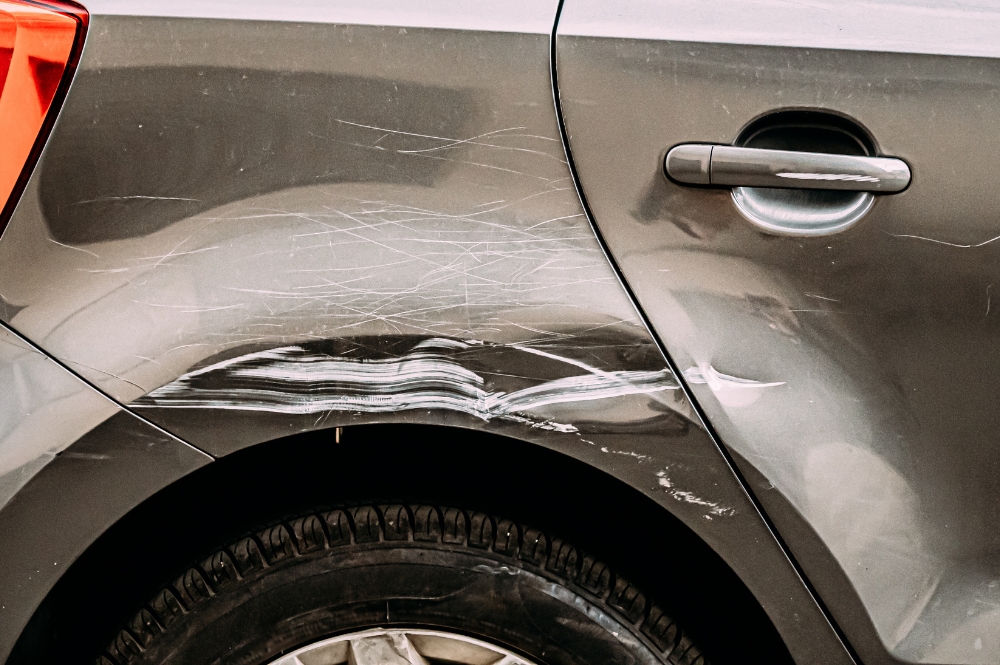
Our team inspects the size, depth, location, material, and paint condition of each damaged area before recommending a repair method. Depending on the vehicle, the solution may involve paintless dent repair, traditional bodywork, plastic repair, polishing, spot refinishing, complete panel painting, or replacement of a severely damaged component.
What Is Dent and Scratch Repair?
Dent and scratch repair includes several techniques used to restore damaged automotive body panels and exterior finishes. The appropriate method depends on whether the damage affects only the paint, changes the shape of the panel, or extends into other parts of the vehicle.
Dent repair may include:
- Paintless dent repair
- Traditional metal straightening
- Panel reshaping
- Body filler application
- Sanding and priming
- Panel replacement
- Paint matching and refinishing
Scratch repair may include:
- Removal of paint transfer
- Polishing of light clear-coat marks
- Sanding and surface preparation
- Primer application
- Color-coat application
- Clear-coat application
- Panel blending or refinishing
A professional inspection helps determine which steps are necessary. A shallow door ding with intact paint requires a different repair than a sharp crease with cracked paint or a scratch that exposes bare metal.
Why Should Dents and Scratches Be Repaired?
Repairing exterior damage can restore the vehicle’s appearance while addressing exposed or weakened surfaces. Paint helps protect metal body panels from moisture and environmental exposure. When a scratch cuts through the paint layers to bare metal, corrosion may eventually develop if the area remains unprotected.
Dents can also create stress in the paint and clear coat. If the finish cracks around the dent, moisture and contamination may reach the underlying surface. Damage near panel edges, door openings, lights, bumpers, or body lines may also interfere with alignment or nearby components.
Not every small mark requires immediate extensive repair. However, damage should be inspected when it includes exposed metal, peeling paint, a sharp crease, loose trim, a misaligned panel, or signs that the impact affected more than the surface.
What Types of Dents Can Be Repaired?
Many automotive dents can be repaired, but the method depends on their shape and location. Broad, shallow dents generally behave differently from sharp creases or damage along reinforced panel edges.
Common repairable dents include:
- Door dings
- Shopping-cart dents
- Minor parking-lot damage
- Shallow body-panel dents
- Small fender dents
- Certain bumper deformations
- Limited hail-related dents
- Dents from falling objects
- Minor collision dents
- Creases that remain within a repairable area
The technician must consider the panel material, paint condition, accessibility behind the damage, amount of metal stretching, and proximity to edges or body lines. Severe stretching, torn metal, or extensive collision damage may require traditional repair or panel replacement.
What Is Paintless Dent Repair?
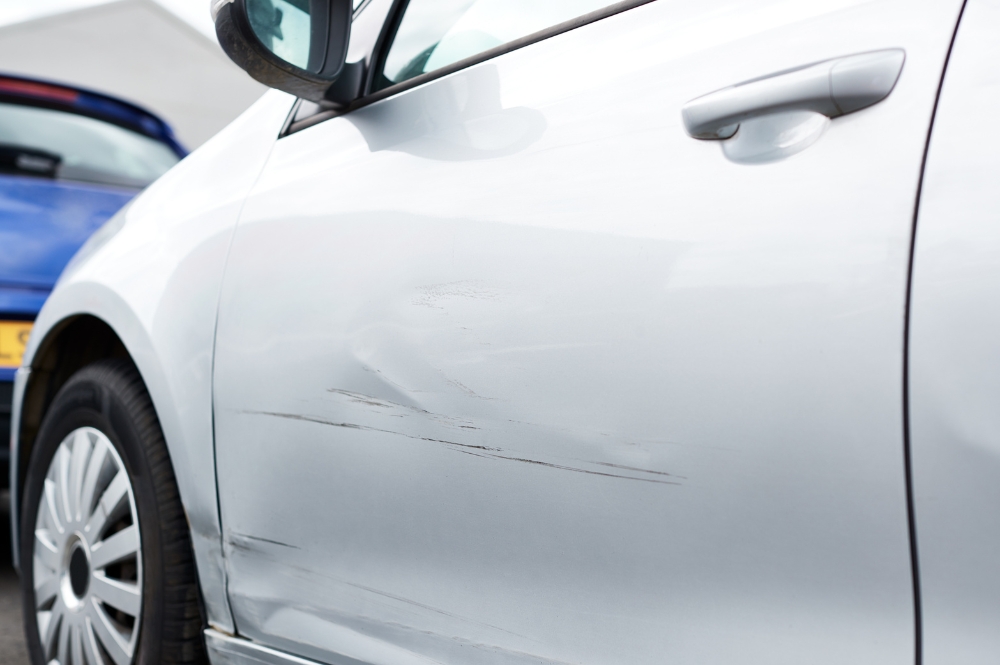
Paintless dent repair, commonly called PDR, is a method used to reshape qualifying dents without sanding, body filler, primer, or repainting. Specialized tools and controlled pressure are used to gradually return the damaged area to its original contour.
PDR may be appropriate when:
- The paint remains intact
- The dent is accessible
- The metal has not been excessively stretched
- The panel is not torn
- The damage is not too close to an inaccessible reinforced area
- The dent’s shape allows controlled movement
Paintless dent repair is not suitable for every dent. Cracked paint, deep creases, sharp impact points, damaged edges, previous body filler, or severe deformation may require conventional repair.
OC Auto Body Shop offers professional paintless dent repair for qualifying vehicle damage. An in-person inspection is the best way to determine whether PDR is appropriate.
When Is Traditional Dent Repair Needed?
Traditional dent repair is generally needed when the damage cannot be corrected through paintless methods. This may occur when the paint is broken, metal is sharply creased, the panel has stretched, access behind the dent is limited, or the affected area has previous bodywork.
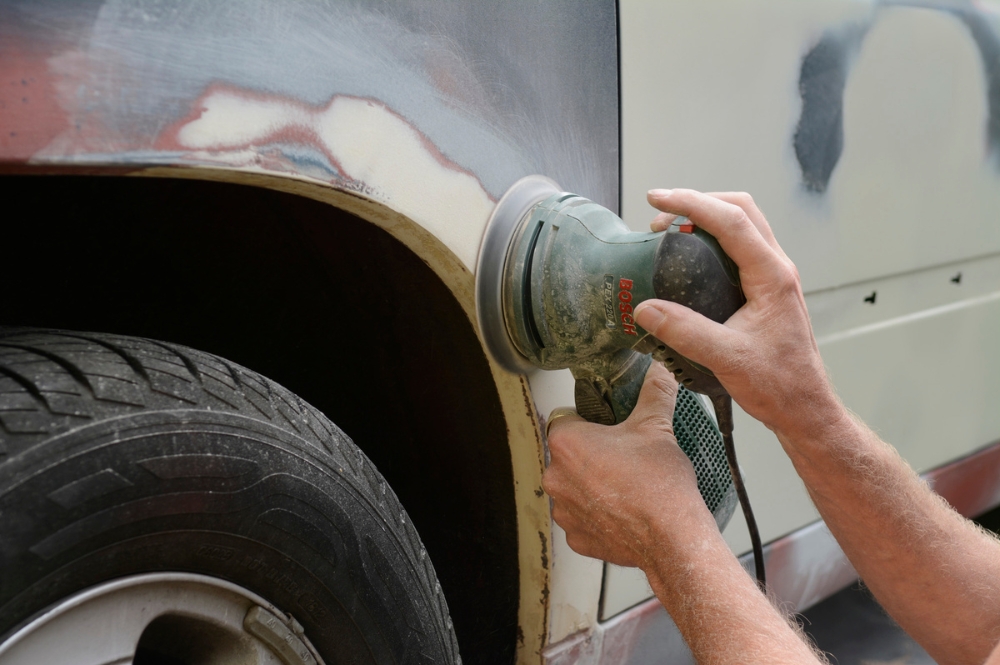
The repair process may include reshaping the metal, removing damaged paint, applying body filler where appropriate, sanding the area, applying primer, matching the color, and refinishing the panel.
Traditional repair may also be required when a dent affects a complex body line or extends across several areas. If the panel is too severely damaged for a practical repair, replacement may be recommended.
How Deep Is the Scratch?
Automotive paint typically consists of multiple layers over the body material. Understanding how far a scratch extends helps determine the correct repair.
Clear-Coat Scratches
The clear coat is the transparent upper layer that contributes gloss and protects the color beneath it. Light scratches, swirl marks, and some surface scuffs may affect only this layer.
Certain clear-coat scratches can be reduced through professional polishing. If the scratch is too deep, sanding and refinishing may be required.
Color-Coat Scratches
A deeper scratch may pass through the clear coat and damage the vehicle’s color layer. These marks often appear as a noticeably different shade and usually cannot be removed through polishing alone.
The area may require sanding, color application, and clear-coat refinishing. The extent of the painting depends on the location and size of the damage.
Primer-Level Scratches
When the scratch exposes the primer, the color coat has been removed. Primer-level damage requires refinishing to rebuild the protective and visual layers.
Simply polishing the surface will not replace the missing paint.
Scratches That Expose Metal or Plastic
The deepest scratches reach the body material. Exposed metal should be addressed because it no longer has complete paint protection. A scratched plastic bumper will not rust, but it may have gouges, torn material, or visible deformation that requires plastic repair.
Serious damage may involve filling, sanding, priming, painting, and clear-coat application.
Can Paint Transfer Be Removed Without Repainting?
Paint transfer occurs when material from another vehicle, wall, post, shopping cart, or object rubs onto the vehicle’s finish. It can sometimes appear more severe than the actual damage beneath it.
If the transferred material sits on top of an intact clear coat, careful cleaning or polishing may remove much of it without repainting. However, the area may also contain scratches, chips, or dents that become visible after the transferred paint is removed.
Aggressive household cleaners, abrasive pads, or solvents can create additional damage. The area should be evaluated before attempting a strong cleaning method.
Door Ding Repair in Fullerton
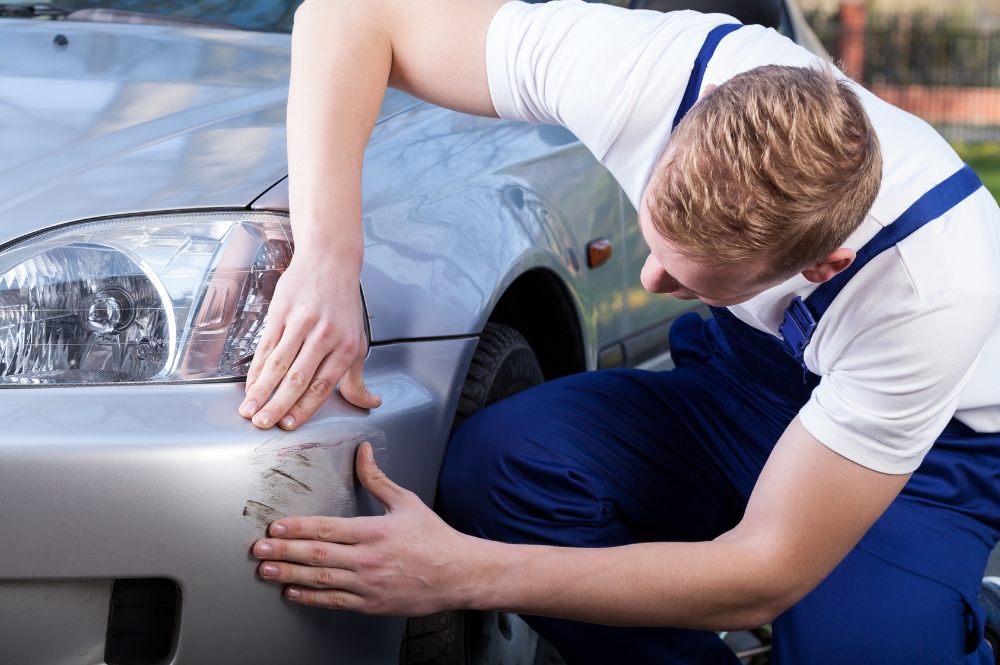
Door dings frequently occur in crowded parking lots when another door, shopping cart, or object strikes the side of a parked vehicle. These dents are often small but highly visible because they interrupt reflections across a door or body panel.
Some door dings are good candidates for paintless dent repair when the paint remains intact, and the technician can access the back of the affected area. Dings near panel edges, reinforcement bars, handles, or sharp body lines may be more difficult to repair.
If the impact chipped or cracked the paint, traditional body repair and refinishing may be necessary.
Fender Dent and Scratch Repair
Fenders are exposed to damage from parking incidents, lane changes, road debris, wheel contact, and minor collisions. A fender may develop dents, creases, scratches, chipped paint, or poor alignment with the hood, door, bumper, or headlight.
Because many fenders can be removed from the vehicle, the repair approach may differ from work on a quarter panel or other integrated body section. Depending on the damage, the fender may be repaired, refinished, or replaced.
If the impact also affected the bumper, wheel, suspension, light, or surrounding structure, a broader collision repair inspection may be required.
Bumper Dent and Scratch Repair
Bumper covers frequently develop scratches, scuffs, dents, gouges, and cracks from low-speed impacts. Although many bumper covers are made from flexible plastic, not every damaged bumper can be pushed back into shape.
A repairable bumper may be reshaped, reinforced, filled, sanded, primed, and painted. Replacement may be appropriate when the bumper is torn, missing material, permanently distorted, or damaged around essential mounting points or electronic components.
OC Auto Body Shop provides bumper repair and replacement for cosmetic and collision-related bumper damage.
Can Scratches Be Polished Out?
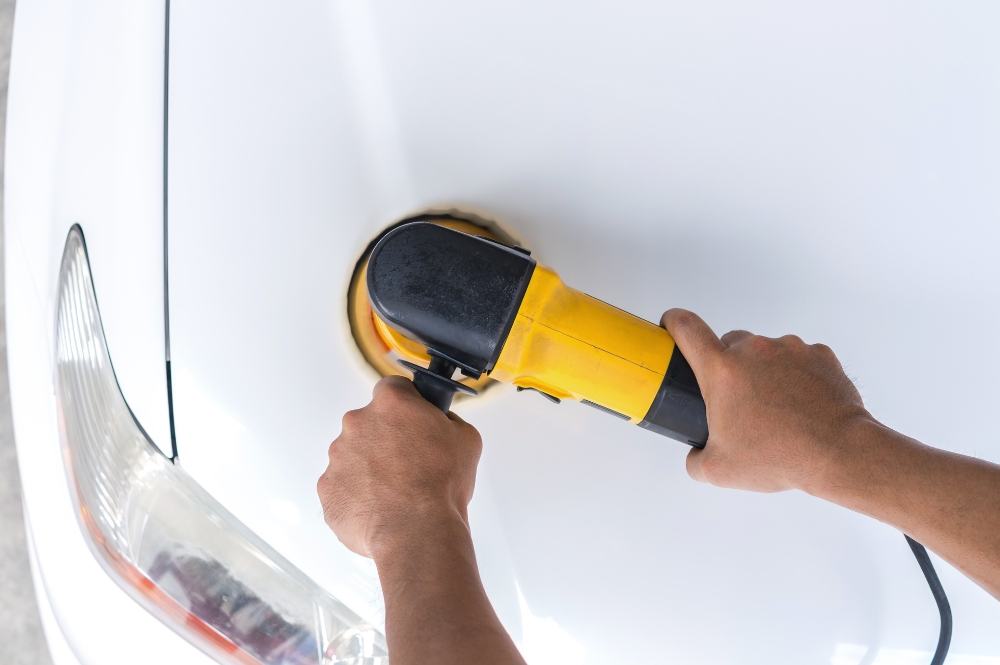
Some light scratches can be reduced through polishing when the damage remains within the upper portion of the clear coat. Polishing refines a very small amount of the surface to improve clarity and reduce the visibility of certain marks.
A simple way to estimate the severity is to examine the scratch under clean, bright light. A mark that disappears temporarily when wet may be limited to the clear coat, but this is not a definitive test. If a fingernail catches strongly in the scratch or a different color is visible, the damage likely extends deeper.
Polishing cannot replace missing paint. Deep scratches generally need a refinishing process rather than repeated aggressive polishing.
Should a Damaged Panel Be Repaired or Replaced?
A panel may be repaired when its shape can be restored, its material remains serviceable, and the required labor is practical. Replacement may be recommended when the panel is torn, severely stretched, extensively creased, rusted, or damaged across multiple complex areas.
The decision depends on:
- Panel material
- Dent depth and location
- Amount of stretching
- Paint condition
- Previous repairs
- Accessibility
- Structural involvement
- Replacement-part availability
- Total repair labor
- Vehicle-specific repair procedures
A repair estimate should consider the complete affected area rather than relying only on the dent’s visible size.
Our Dent and Scratch Repair Process
Damage Inspection
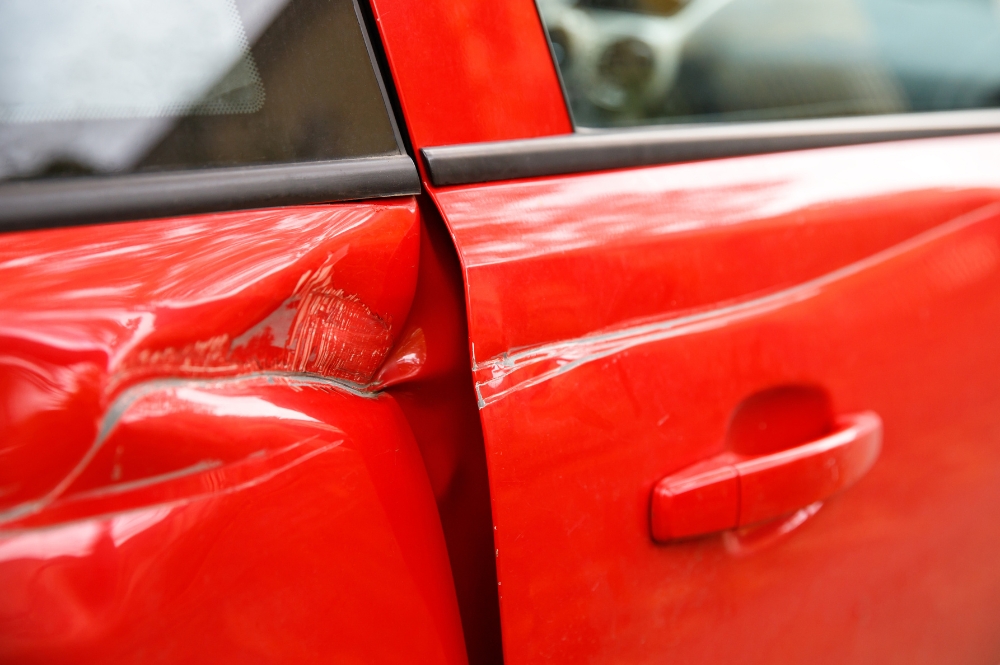
We begin by examining the dent or scratch under appropriate lighting. The inspection identifies the damaged layers, panel material, paint condition, accessibility, body-line involvement, and signs of previous repair work.
We also check nearby trim, lights, bumpers, and panels when the damage resulted from an impact.
Repair Method Selection
After evaluating the area, we determine whether the damage may respond to polishing, paintless dent repair, traditional bodywork, plastic repair, refinishing, or panel replacement.
The customer receives an explanation of the proposed approach and why it is appropriate for the damage.
Disassembly When Necessary
Handles, moldings, lights, liners, trim panels, or other components may need to be removed to access the damage or properly prepare the panel.
Disassembly can also reveal concealed damage that was not visible during the exterior inspection.
Dent Removal and Surface Repair
Qualifying dents may be reshaped using paintless techniques. Traditional repairs may involve metalworking, plastic repair, filling, sanding, or other preparation.
The objective is to restore the panel contour and create a suitable surface for refinishing when paintwork is required.
Primer and Paint Preparation
Areas with missing paint or exposed material are prepared and primed as needed. Surrounding components are removed or masked to help control the painting area.
Surface preparation is important because poor sanding, contamination, or incomplete repair can remain visible beneath the finished paint.
Color Matching and Refinishing
The vehicle’s paint information and existing finish are evaluated to select an appropriate color. The repaired area receives the required color and clear-coat applications.
Age, sunlight, previous repairs, metallic particles, and pearl effects can influence how the existing paint appears. Depending on the color and location, blending may be used to create a smoother transition.
Our auto body painting services are coordinated with the dent or scratch repair when refinishing is necessary.
Finishing and Final Inspection
After the paint cures, the repaired area is inspected for contour, color, gloss, texture, cleanliness, and alignment. Repaired or removed components are reinstalled and checked before delivery.
The customer may also receive instructions for caring for newly painted surfaces.
How Long Does Dent and Scratch Repair Take?
Repair time depends on the damage, method, panel location, paint requirements, and whether parts must be removed. A limited paintless dent repair or polishing service may require less time than traditional bodywork and refinishing.
The schedule may be affected by:
- Number of damaged areas
- Dent size and depth
- Panel material
- Access behind the dent
- Paint damage
- Required drying or curing
- Parts and trim removal
- Damage to adjoining panels
- Insurance authorization
- Hidden damage discovered during repair
OC Auto Body Shop can provide a more realistic timeframe after inspecting the vehicle and identifying the required repair steps.
Will Insurance Cover Dent and Scratch Repair?
Insurance may cover dents and scratches when they result from a covered collision, vandalism incident, weather event, or other insured loss. Coverage depends on the policy, cause of damage, deductible, and insurer’s claim decision.
Minor cosmetic repairs may cost less than the policyholder’s deductible. In that situation, the vehicle owner may decide to pay directly rather than file a claim. Customers should compare the repair estimate with their deductible and discuss coverage questions with their insurer.
OC Auto Body Shop works with major insurance companies and can provide repair documentation for qualifying claims.
Do DIY Dent and Scratch Repair Kits Work?
DIY products may improve certain minor marks, but results vary considerably. Touch-up paint can cover a small chip, yet the color, height, and texture may remain noticeable. Aggressive polishing compounds can thin the clear coat or create haze when used incorrectly.
Suction tools and dent pullers may not work on sharp creases, stretched metal, reinforced areas, or panels without suitable access. Excessive force can worsen the dent or create high spots around it.
Professional repair is recommended when the damage is highly visible, affects a body line, includes cracked paint, exposes metal, or involves a newer or higher-value vehicle where finish quality matters.
How Should You Care for a Repaired Area?
Follow the specific care instructions provided when the vehicle is returned. Newly refinished paint may require time before waxing, polishing, applying ceramic coating, or using certain automatic car washes.
Use nonabrasive washing materials and avoid harsh chemicals. Bird droppings, insects, tree sap, and other contaminants should be removed carefully. If the vehicle receives professional auto detailing, tell the detailer which panels were recently refinished.
Parking in a garage or shaded area when possible can also reduce prolonged exposure to Southern California sunlight.
Dent and Scratch Repair for Orange County Drivers
OC Auto Body Shop provides dent and scratch repair from our Fullerton location for drivers throughout northern and central Orange County. We serve customers from Anaheim, Anaheim Hills, Brea, Buena Park, Cypress, Fullerton, Garden Grove, La Habra, Orange, Placentia, Santa Ana, Tustin, Westminster, and Yorba Linda.
Orange County vehicles regularly encounter tight parking spaces, shopping carts, freeway debris, construction zones, narrow garages, and stop-and-go traffic. Whether your vehicle has one door ding or several areas of collision-related damage, our team can inspect the affected panels and recommend an appropriate repair method.
Why Choose OC Auto Body Shop?
Dent and scratch repair requires more than a single technique. Some damage needs paintless dent repair, while other areas require traditional bodywork, plastic repair, color matching, or panel refinishing.
OC Auto Body Shop provides dent repair, scratch repair, painting, bumper service, and collision repair from one Fullerton facility. If the inspection reveals damage beyond the visible dent or scratch, our team can coordinate the related repairs and explain the additional work.
Request a Dent and Scratch Repair Estimate in Fullerton
If your vehicle has door dings, dents, creases, scratches, paint chips, bumper scuffs, or other exterior damage, contact OC Auto Body Shop for an inspection. We can identify the depth and extent of the damage and explain whether polishing, paintless dent repair, traditional bodywork, or painting is appropriate.
Call 714-714-4040 or visit 500 S. Raymond Avenue, Unit G, Fullerton, CA 92831. You can also contact OC Auto Body Shop online to request a dent and scratch repair estimate in Fullerton and Orange County.
FAQs
1. Can every car dent be repaired?
Many dents can be repaired, but the method and likely result depend on the panel material, depth, location, paint condition, metal stretching, accessibility, and previous repairs. Severely damaged panels may need replacement.
2. What is the difference between traditional dent repair and PDR?
Paintless dent repair reshapes qualifying dents without repainting. Traditional repair may involve metalwork, filler, sanding, primer, paint, and clear coat. PDR generally requires intact paint and suitable access to the damaged area.
3. How can I tell whether a scratch is only in the clear coat?
A clear-coat scratch is usually light and does not expose a different color, primer, metal, or plastic. A professional inspection under proper lighting is the most reliable way to determine its depth.
4. Can deep car scratches be repaired?
Yes, many deep scratches can be repaired through sanding, filling when needed, priming, color application, and clear-coat refinishing. The repair area depends on the scratch’s depth, length, and location.
5. How much does dent and scratch repair cost in Orange County?
Cost depends on the number of damaged areas, dent depth, scratch severity, panel material, paint requirements, accessibility, and repair method. An in-person inspection is needed for an accurate estimate.
6. How long does dent and scratch repair take?
A limited paintless repair or polishing service may take less time than bodywork and painting. The schedule depends on the damage, required disassembly, curing time, and whether additional problems are discovered.
7. Will the repaired area match my vehicle’s paint?
The paint code and current vehicle finish are evaluated to select an appropriate color. Fading, age, previous repairs, and complex metallic or pearl finishes may require additional adjustment or blending.
8. Will insurance cover a door ding or scratch?
Coverage depends on how the damage occurred, the policy, deductible, and insurer’s decision. For minor damage, the repair cost may be lower than the deductible, making direct payment worth considering.
9. Should I repair a small scratch that exposes metal?
Yes, exposed metal should be protected because moisture and environmental exposure can lead to corrosion. The appropriate repair depends on the scratch’s size, location, and surrounding paint condition.
10. Where is OC Auto Body Shop located?
OC Auto Body Shop is located at 500 S. Raymond Avenue, Unit G, Fullerton, CA 92831. The shop provides dent and scratch repair, paintless dent repair, collision repair, bumper service, auto painting, and detailing for Orange County drivers.